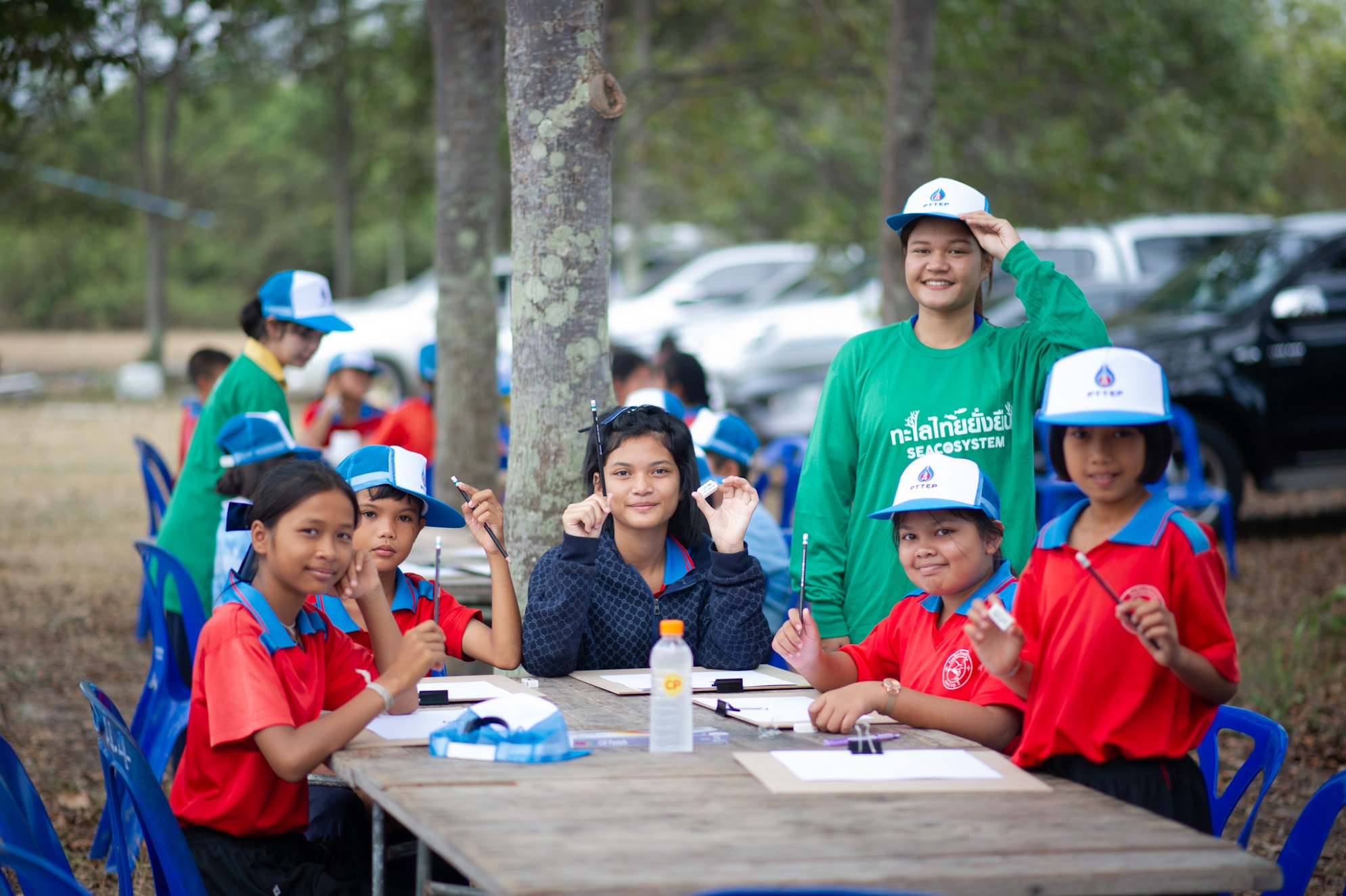
Tha Chana, Surat Thani (31 March 2026) – The Marine and Coastal Resources Office 4 hosted a landmark event showing that the future of our oceans is in local hands. The "2026 Shellfish Festival" at Tha Chana celebrated the official launch of new Locally Managed Marine Areas (LMMAs) and community-led conservation zones.
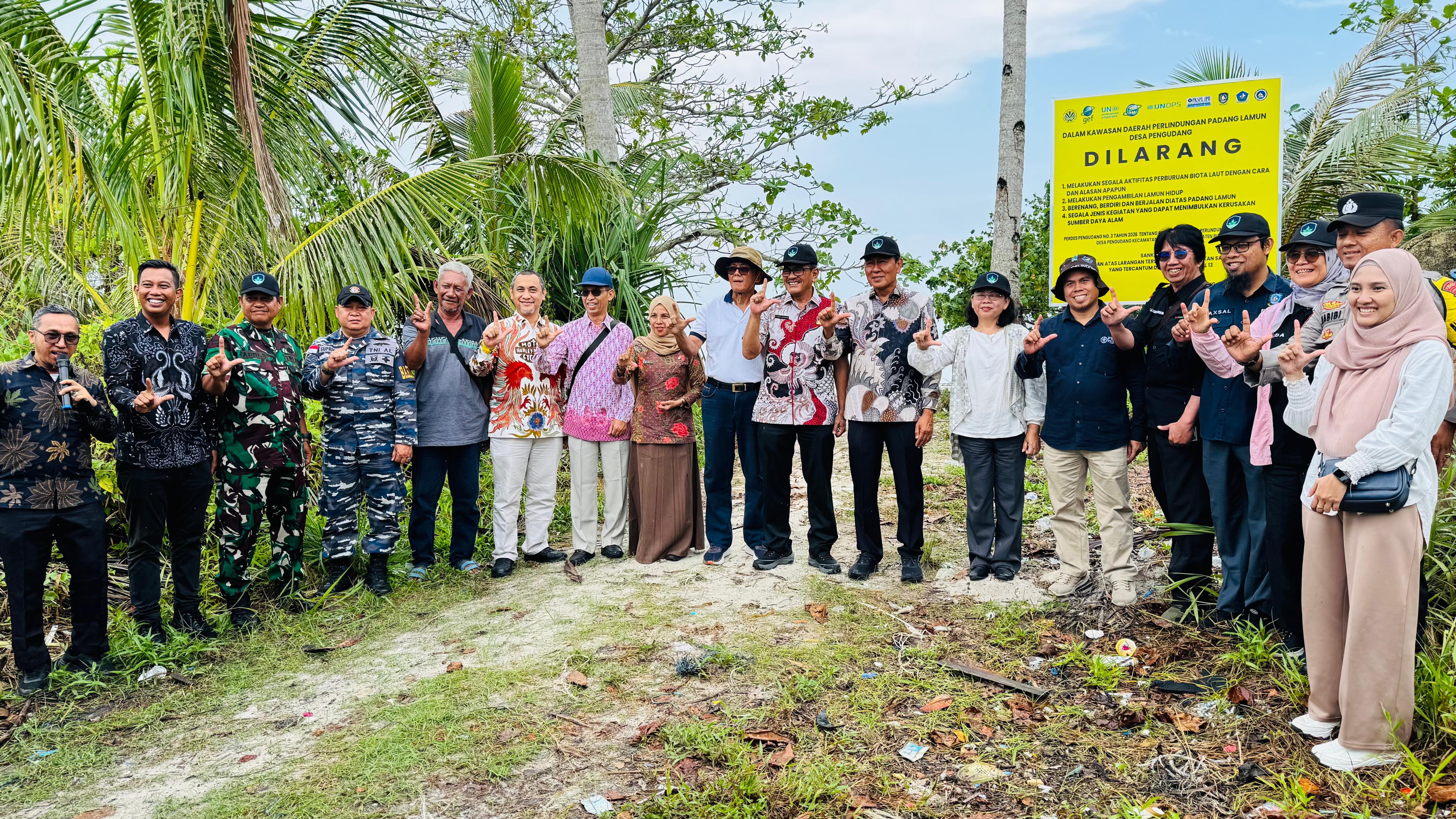
- Details
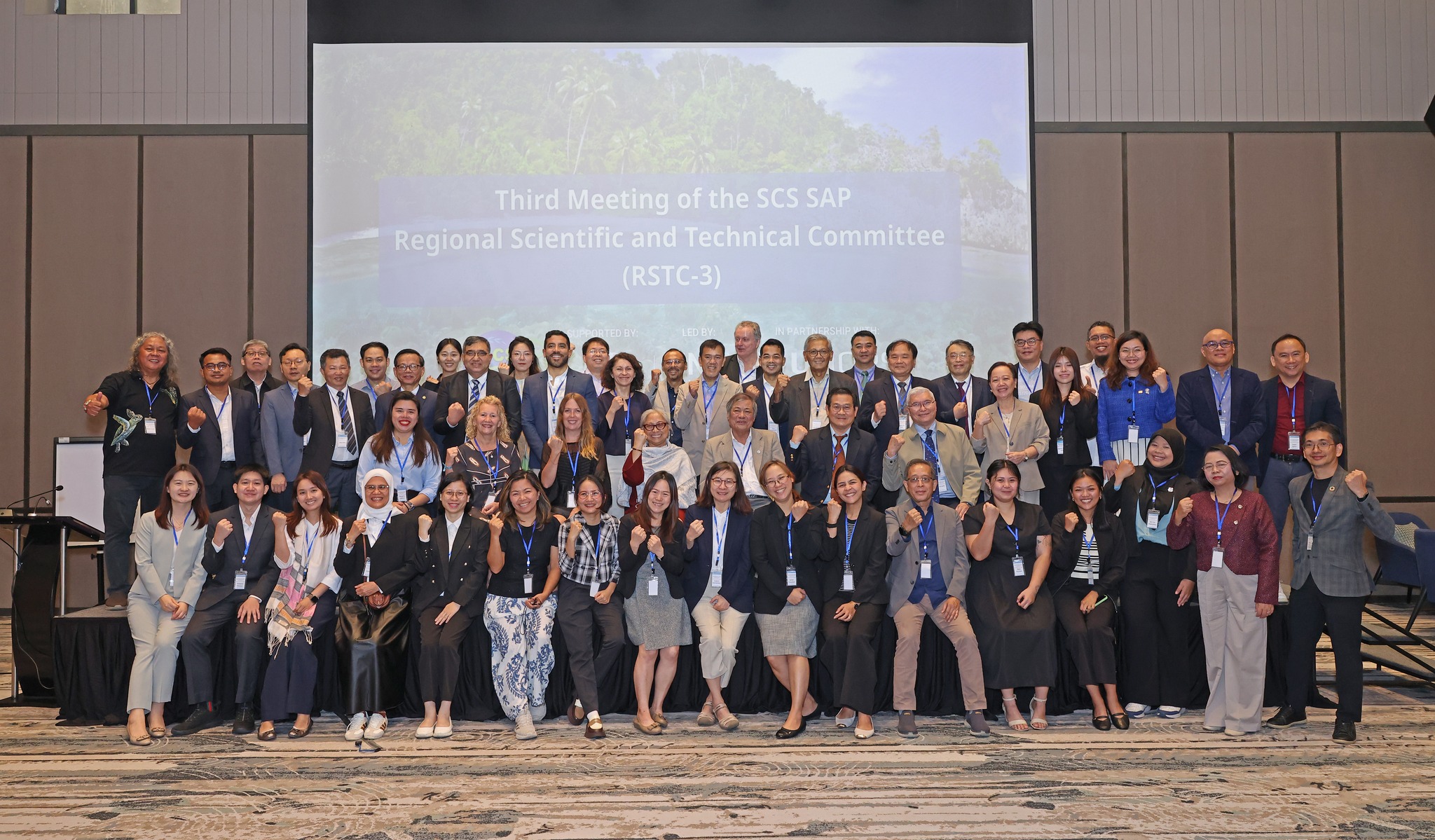
The Third Meeting of the Regional Scientific and Technical Committee (RSTC-3) for the SCS SAP Project was successfully convened in Phu Quoc, Vietnam, from 26–28 January 2026. This pivotal gathering, opened by representatives from UNEP and UNOPS, focused on the critical task of reviewing draft Transboundary Diagnostic Analysis (TDA) reports and documenting over a decade of environmental achievements. The meeting served as a primary platform for the presentation and review of six national and one regional draft TDA reports, which provide the scientific foundation for updating the Strategic Action Programme (SAP).
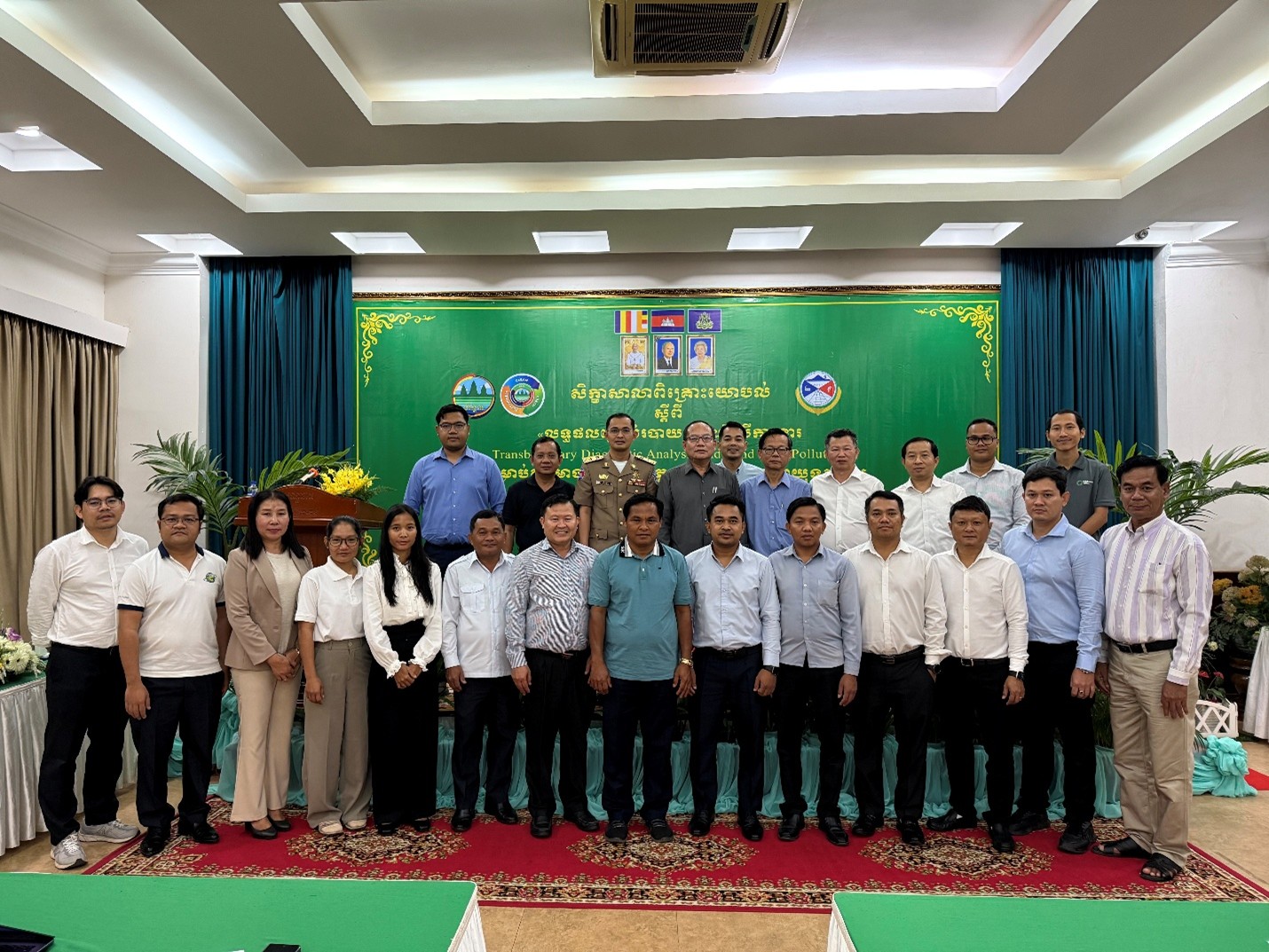
On 19 January 2026, attendees representing national ministries, consultants, technical focal points, and provincial departments from Cambodia’s coastal provinces participated in the SCS SAP critical workshop in Kampot Province, Cambodia. The workshop conducted included presenting Cambodia’s contribution to the regional Transboundary Diagnostic Analysis (TDA) findings emphasizing on the country’s land-based pollution (LbP) sources such as nutrients, solid waste, wastewater, and plastics.
Dear SCS SAP Colleagues and Friends,
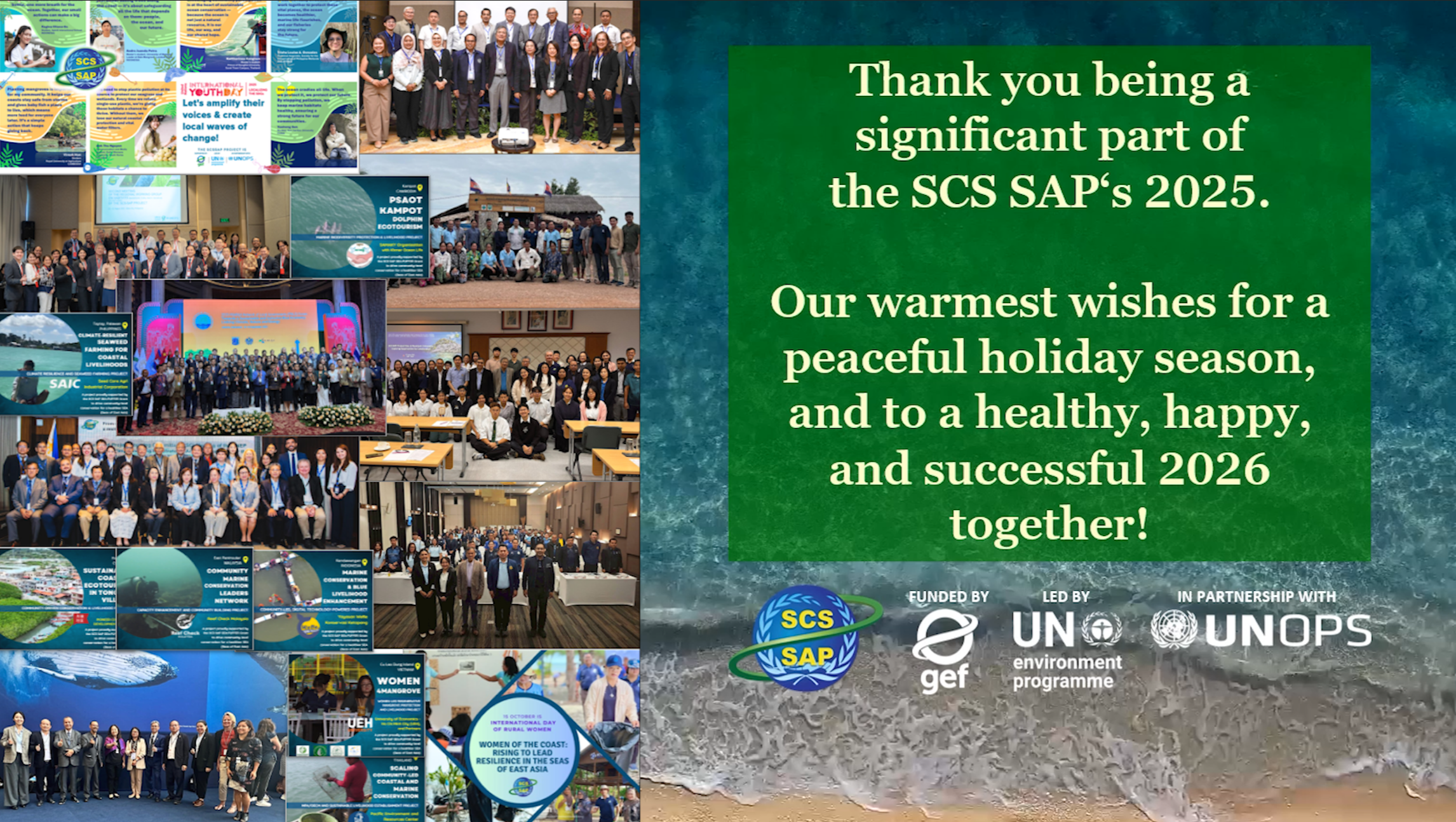
As 2025 concludes, on behalf of the Project Coordination Unit (PCU), I want to reflect on a truly pivotal and impactful year for the South China Sea and Gulf of Thailand (SCS-GOT) Large Marine Ecosystems (LMEs). This year was defined by critical decisions, invaluable in-person collaboration, and the meaningful expansion of our growing SCS SAP family.
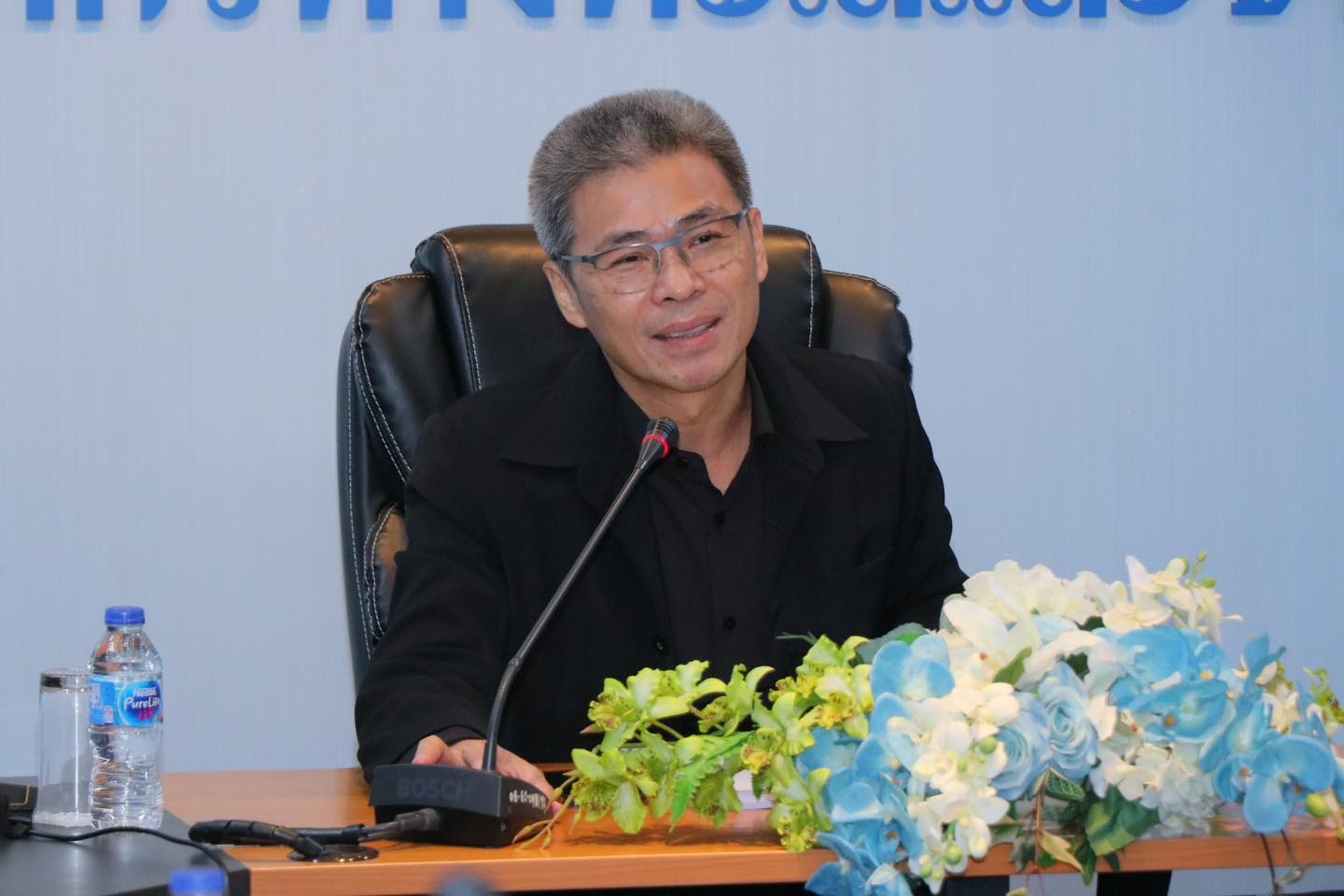
On 17 November 2025, the Deputy Director-General of the Department of Marine and Coastal Resources (DMCR) presided over the meeting to review the draft National Transboundary Diagnostic Analysis (TDA) report under the "Implementing the Strategic Action Programme for the South China Sea and Gulf of Thailand (SCS SAP Project)." The meeting was attended by DMCR executives, the SCS SAP's National Coordinator and a team of National Experts specializing in various fields, along with DMCR officials, at the Coral Meeting Room, 6th Floor, DMCR.
The SCS SAP Project assist countries in meeting the targets of the approved Strategic Action Programme (SAP) for the marine and coastal environment of the South China Sea and Gulf of Thailand through implementation of the National Action Plans in support of the SAP, and strengthening regional co-ordination for South China Sea and Gulf of Thailand SAP implementation
Led By:
In Partnership with:
Supported By: