- Details
- Category: Videos
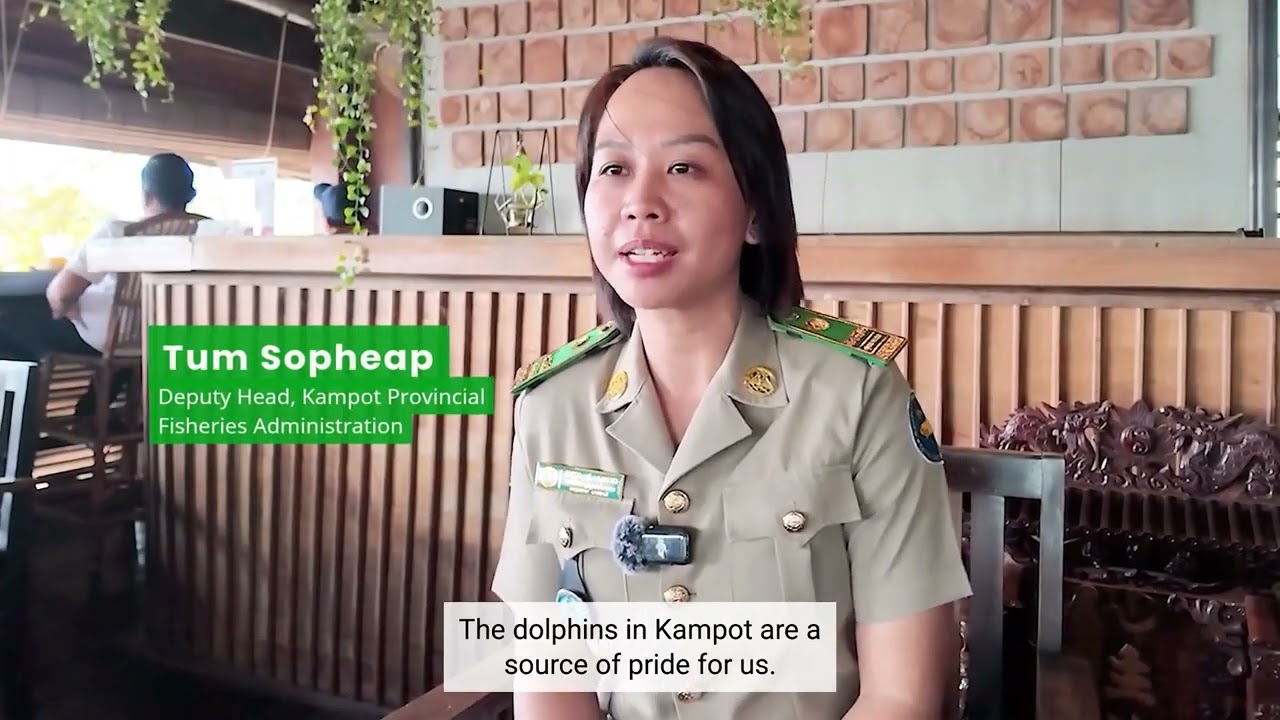
Our SEA Grantee, the Samaky Organization, in partnership with Cambodia’s Khmer Ocean Life, is proving that conservation and economic development go hand in hand. In the Trapaeng Ropov fishing community, their community-based dolphin-watching ecotours are transforming local livelihoods.

- Details
- Category: Stories
On April 2026, two significant milestones anchored the SEA Grantees’ progress. In Cambodia, SAMAKY Organization and Khmer Ocean Life (KOL) inaugurated the Kampot Dolphin Visitor Center, the country’s first community-run ecotourism hub dedicated to the Irrawaddy dolphin. Meanwhile, in Vietnam’s Mekong Delta, the Women4Mangrove (W4M) network opened a community house in the heart of the forests they have protected for years.
These events were not just a ceremony. The SCS SAP Project’s SEA Grants program, supported by the GEF, UNEP, UNOPS and COBSEA, was announced in 2025. Since the launch of the first cohort later that year, it has been testing a vital theory: can a modest investment of USD 50,000 drive lasting regional impact? The progress reported at the March 2026 midpoint meeting, coupled with these recent launches, provides a resounding "yes" to that theory.
- Details
- Category: Videos
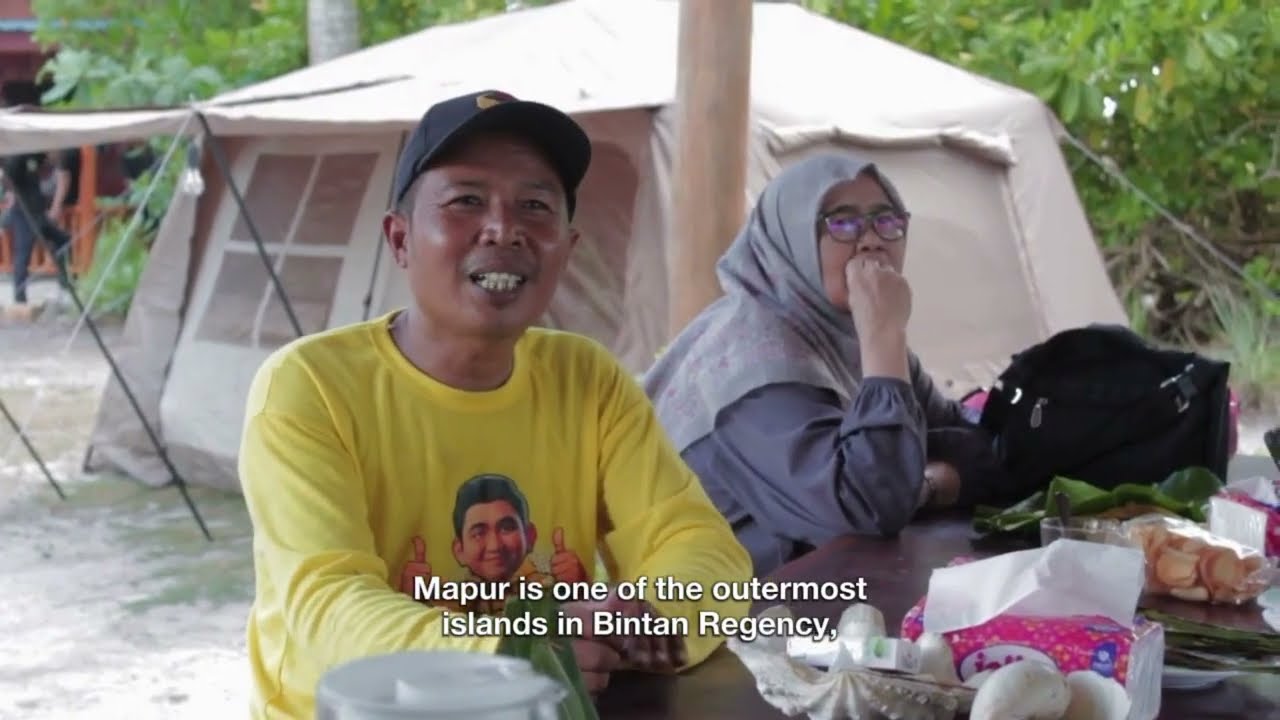
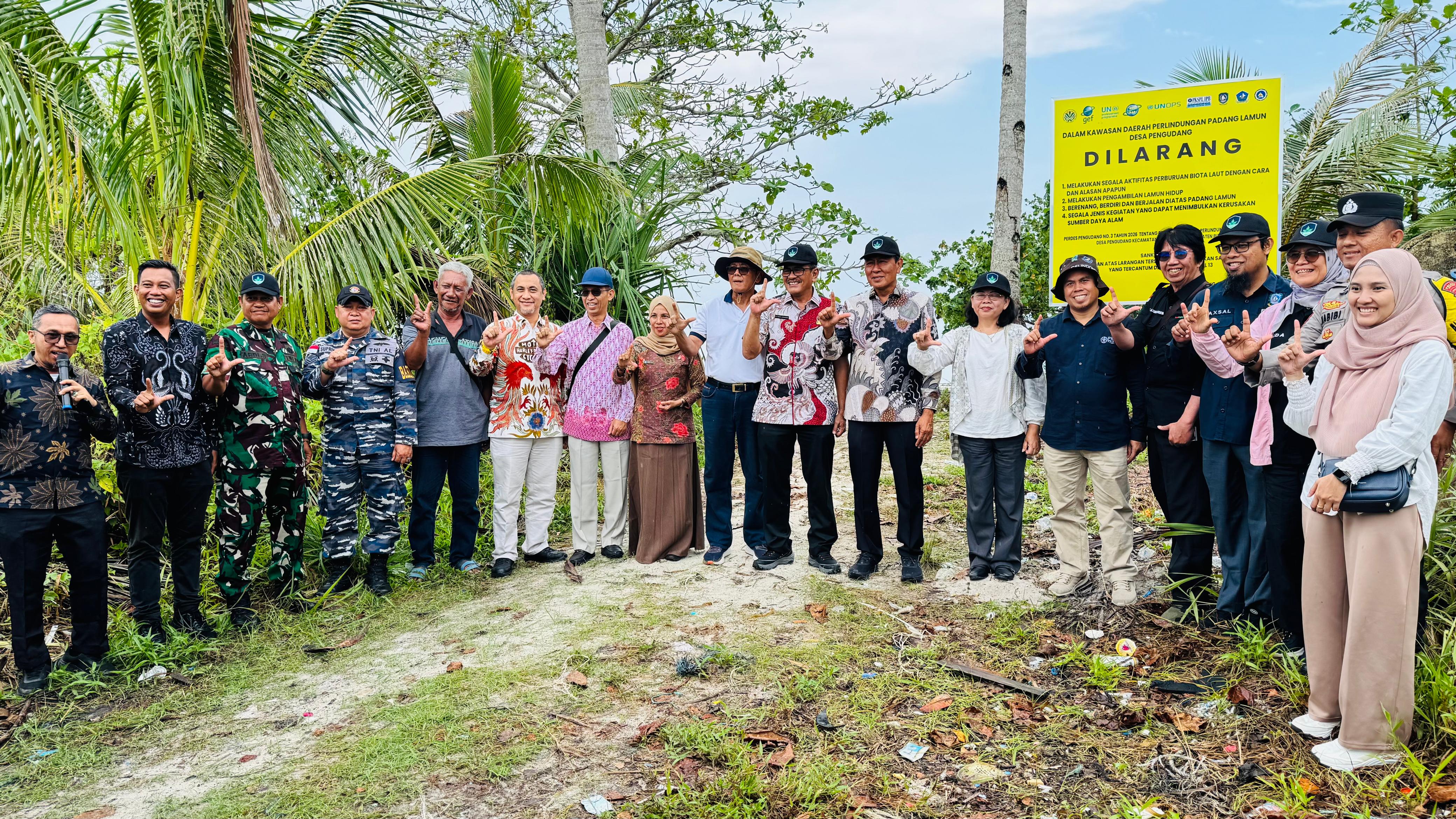
Between 4 April and 9 April 2026, a conservation mission was conducted in Bintan, Indonesia, to implement protection measures for local seagrass meadows.
- Details
- Category: Videos
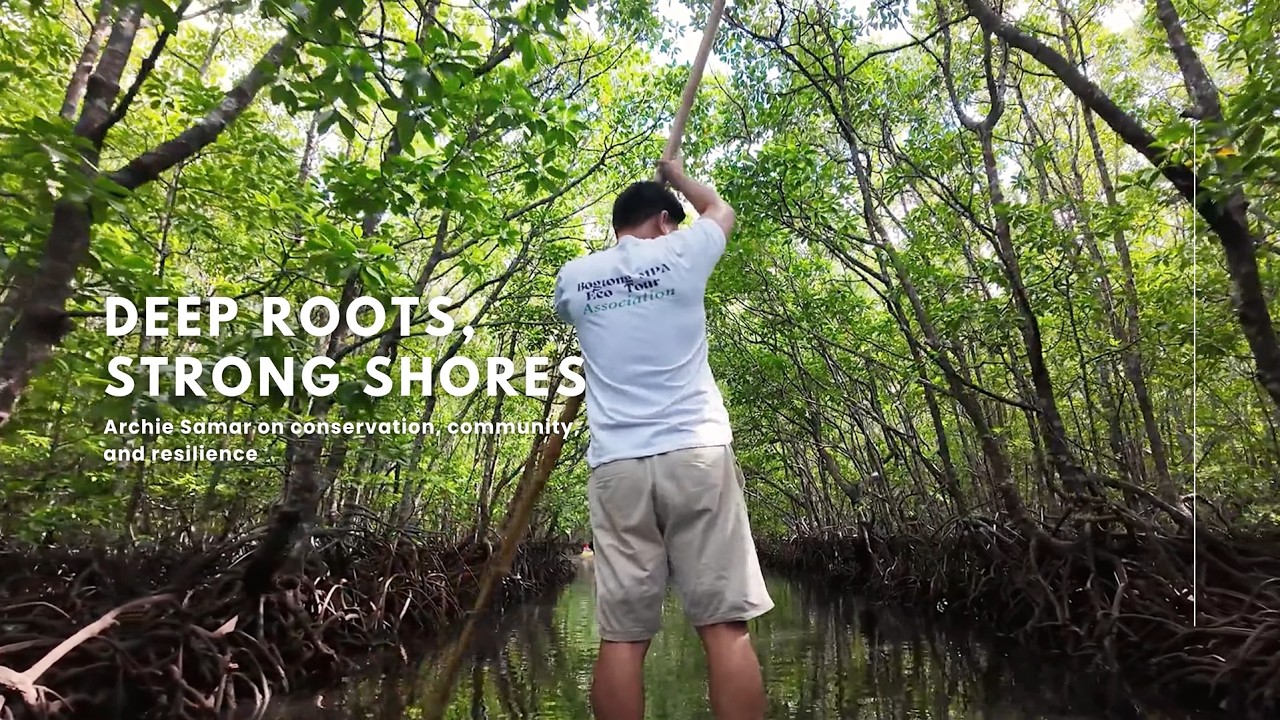
Barangay Bogtong in Busuanga, Philippines has adopted local mangrove restoration practices to support ecosystem health and climate change mitigation.
- Details
- Category: News
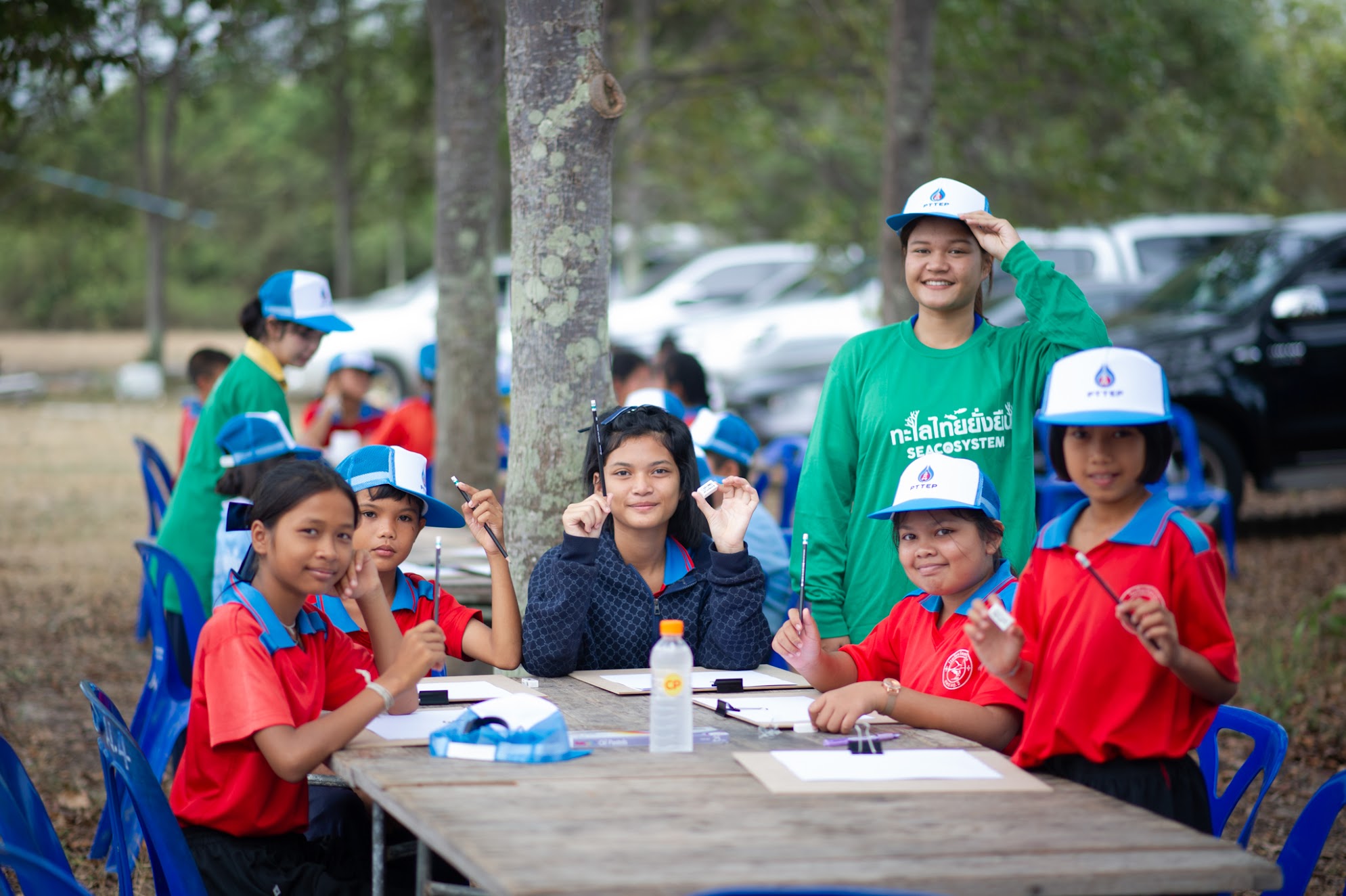
Tha Chana, Surat Thani (31 March 2026) – The Marine and Coastal Resources Office 4 hosted a landmark event showing that the future of our oceans is in local hands. The "2026 Shellfish Festival" at Tha Chana celebrated the official launch of new Locally Managed Marine Areas (LMMAs) and community-led conservation zones.
- Details
- Category: Videos
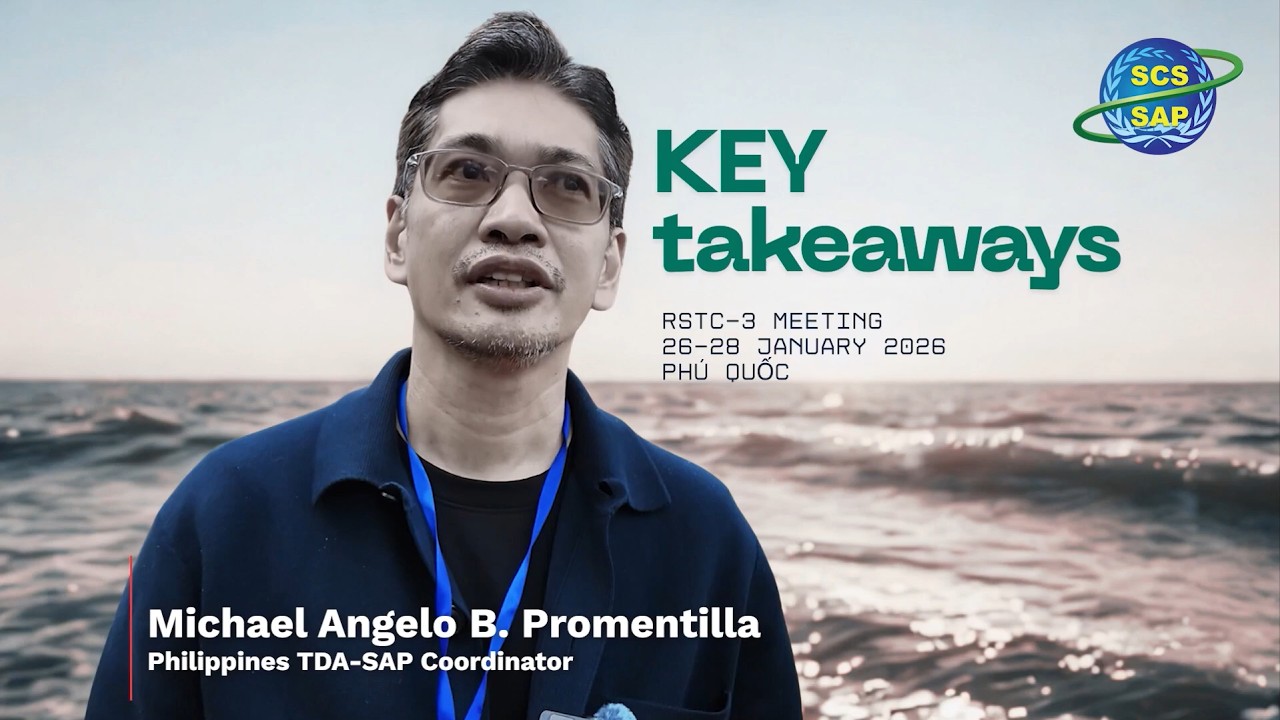
Philippine TDA-SAP Coordinator, Dr. Michael Angelo B. Promentilla, advocates for placing ecosystem health at the heart of the updated Transboundary Diagnostic Analysis (TDA 2.0). By recognizing natural habitats as essential infrastructure and leveraging successful local models like Bogtong's mangrove restoration, the Philippines aims to integrate ecosystem preservation as a cornerstone for regional resilience and sustainable development.
- Details
- Category: Stories
- Theme: Mangroves
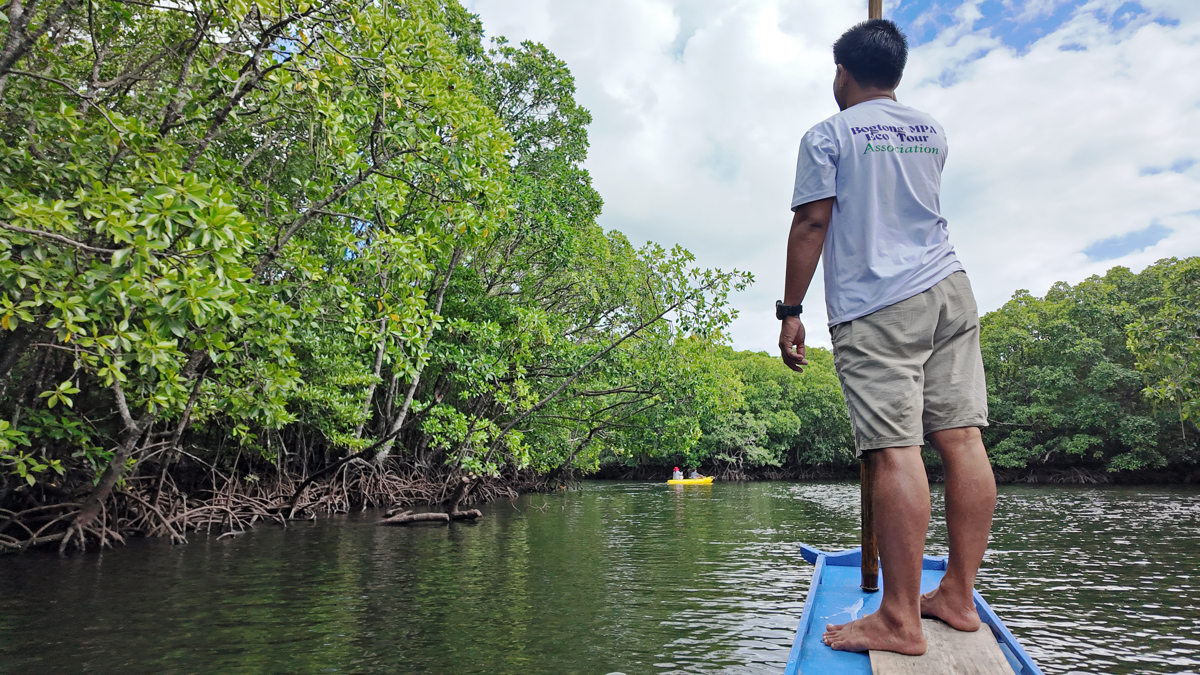
In the quiet coastal village of Barangay Bogtong, located on the island of Busuanga in Palawan — the Philippines last ecological frontier — the rhythm of life is intertwined with the tide.
For the over 1,200 residents of Bogtong, the green belt of mangrove forests is more than just scenery; it is their "bioshield," their nursery, and their supermarket.
Following the catastrophic impact of Typhoon Haiyan in 2013, which left a trail of damaged ecosystems, the community realized that their survival depended on the health of these salt-tolerant trees.
Today, with the support of the GEF/UNEP/UNOPS Implementing the Strategic Action Programme for the South China Sea and Gulf of Thailand (SCS SAP), Bogtong has emerged as a modest beacon of community-led restoration.
- Details
- Category: Videos
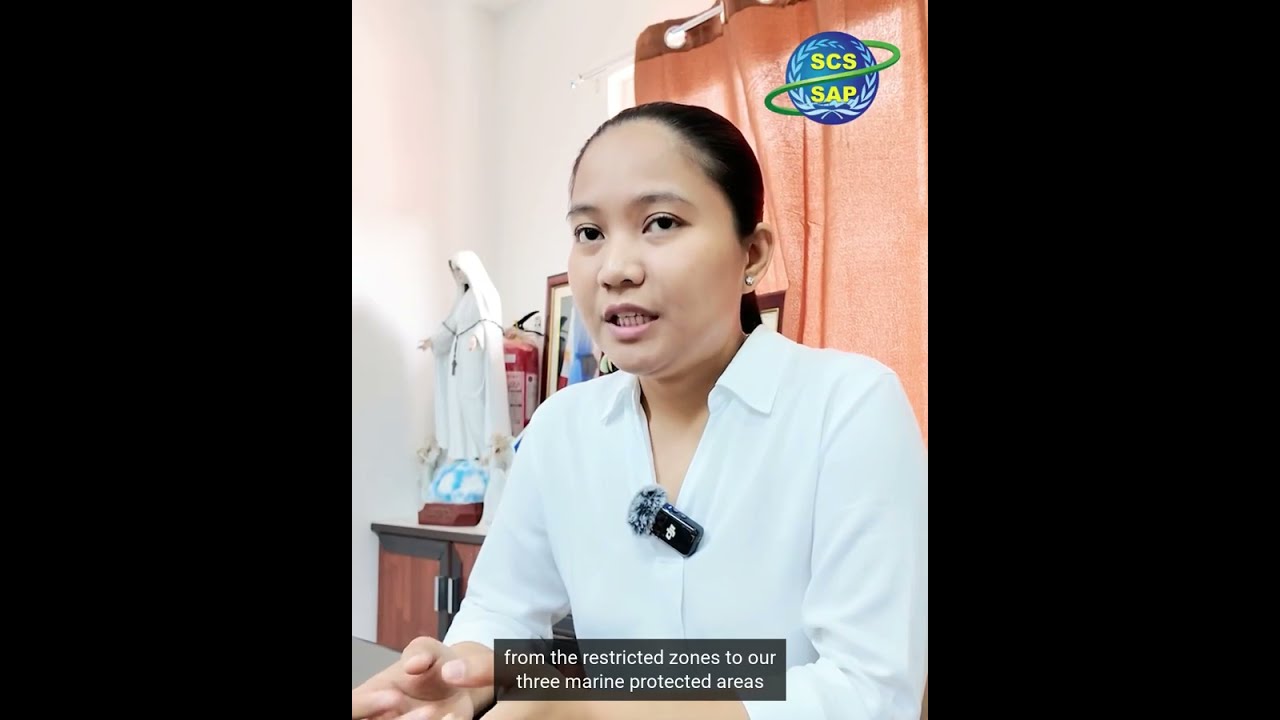
Vice Mayor Dr. Mikee Alvarez of the Municipality of Tingloy is leading the development of an Integrated Coastal Management (ICM) Code to formalize marine conservation and resource management. The code establishes an ICM Trust Fund to ensure financial transparency and consistency in conservation funding.
The SCS SAP Project assist countries in meeting the targets of the approved Strategic Action Programme (SAP) for the marine and coastal environment of the South China Sea and Gulf of Thailand through implementation of the National Action Plans in support of the SAP, and strengthening regional co-ordination for South China Sea and Gulf of Thailand SAP implementation
Led By:
In Partnership with:
Supported By: