- Details
- Category: Stories
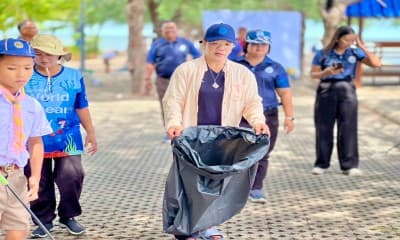
The powerful, yet often under-recognized, force in environmental stewardship is the focus of the GEF/UNEP/UNOPS SCSSAP Project this International Day of Rural Women on 15 October. Across the globe, it is rural women in coastal and sea resource management whose firsthand knowledge and tireless labor prove absolutely vital to the health of the world's oceans and the livelihoods of their communities.
- Details
- Category: Stories
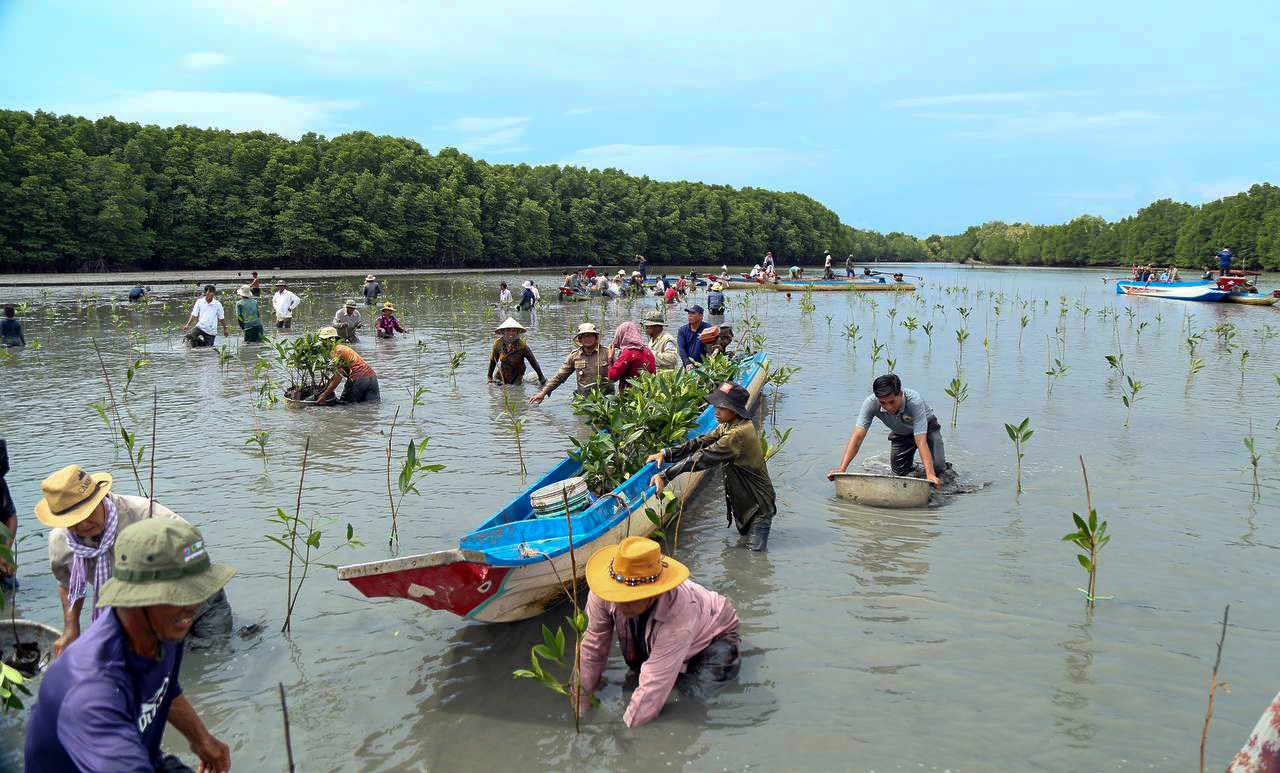
Cambodia’s coastal landscape is a mosaic of vital ecosystems: mangroves, coral reefs, seagrass beds, and wetlands. These habitats are the lifeblood of the region, providing food security and livelihoods for millions; protecting them is central to the Strategic Action Programme (SAP) for the South China Sea and Gulf of Thailand Large Marine Ecosystems (LME).
- Details
- Category: Videos
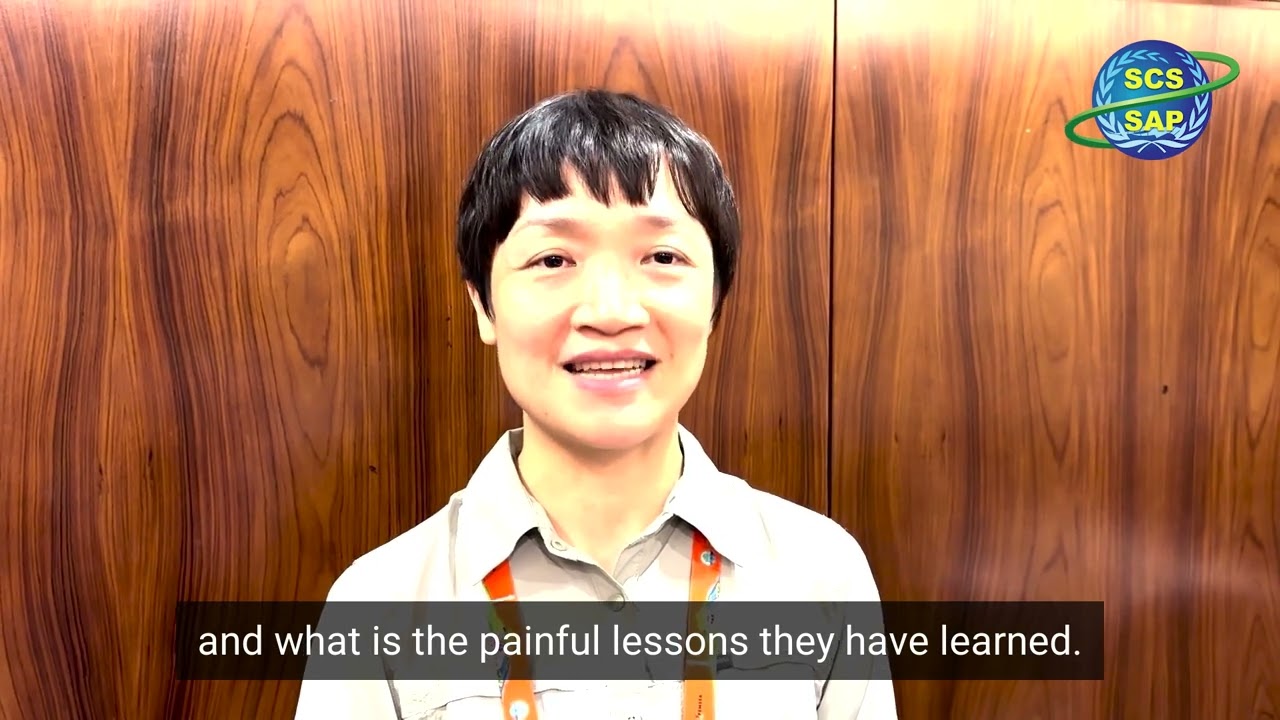
Hear it from our project site managers. This video features reflections and key takeaways from those who attended the 2025 PEMSEA (Partnerships in Environmental Management for the Seas of East Asia) Network of Local Governments (PNLG) Forum on 16-18 September in Jakarta.

- Details
- Category: News
The SCS SAP Project is co-organizing a crucial learning exchange and study tour with the Partnerships in Environmental Management for the Seas of East Asia (PEMSEA) from 16-18 September 2025 in Jakarta, Indonesia. This collaborative event, held in conjunction with the annual PEMSEA Network of Local Governments (PNLG) meeting, marks a significant step towards strengthening coastal and marine resource management in the East Asian Seas region.
- Details
- Category: Videos
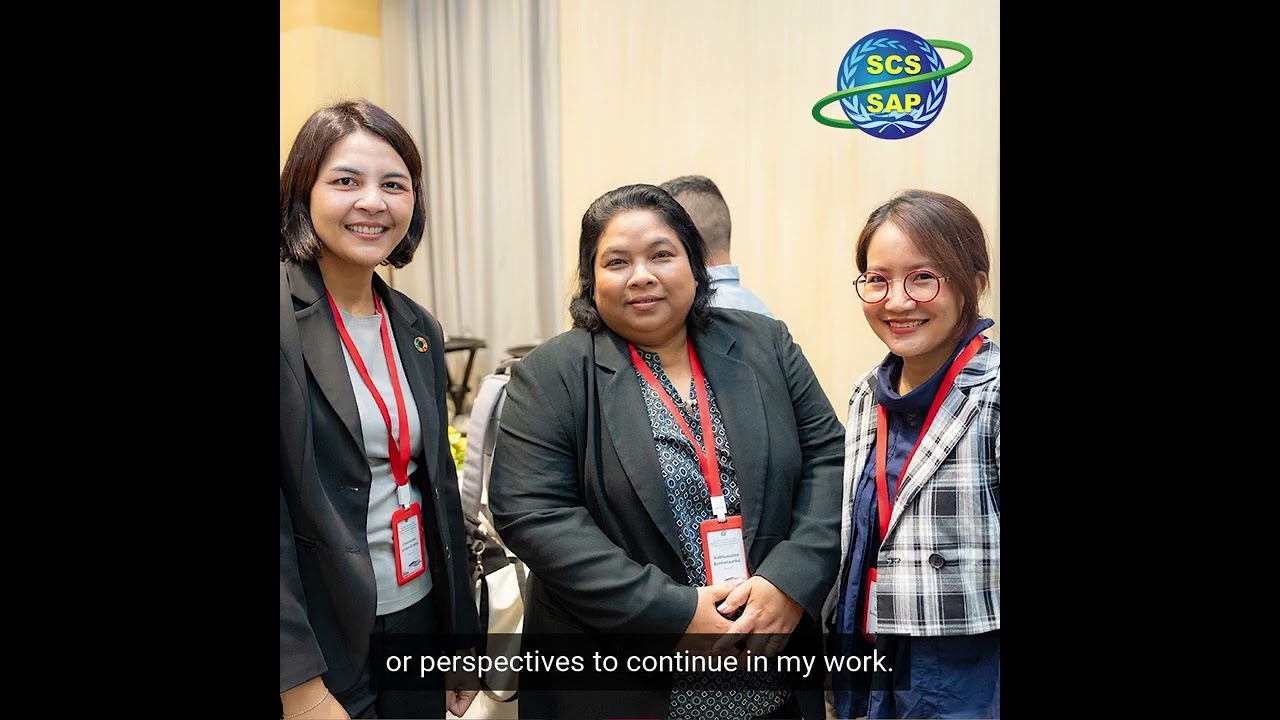
Check out this video featuring key takeaways from the recent 2nd Regional Working Group (RWG) Meeting on coastal and marine ecosystems held in Iloilo on 11-12 August 2025. This renewed momentum for collaboration among the SCS SAP experts is an important step forward for the health of the Seas of East Asia.
- Details
- Category: News
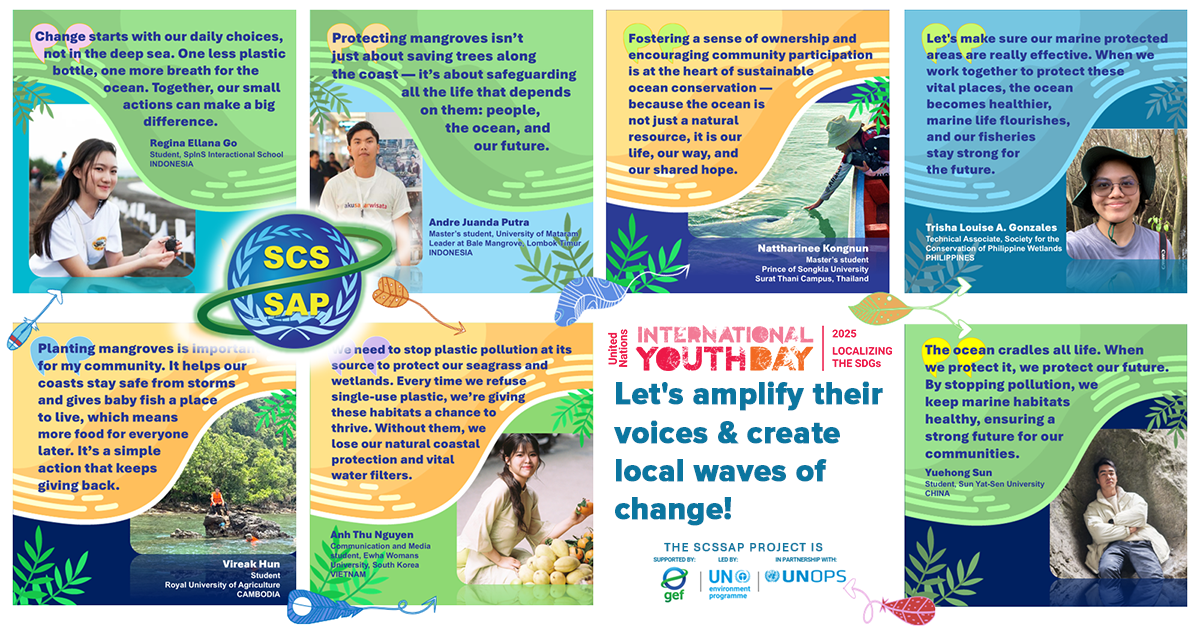
Every year, on 12 August, the world celebrates International Youth Day, acknowledging the power of young people in translating global goals into local actions.
With the theme "Local Youth Actions for the SDGs and Beyond," International Youth Day 2025 highlights the significant role of youth in achieving a sustainable future. Across the South China Sea and Gulf of Thailand Large Marine Ecosystems (LMEs), young people are not only beneficiaries of change but are its driving force, actively participating in efforts to protect our coastal and marine environments. Their creativity, energy and deep community ties are bridging the gap between high-level policy and grassroots action, and the now with the future.
- Details
- Category: News
- Theme: Gender, Mangroves
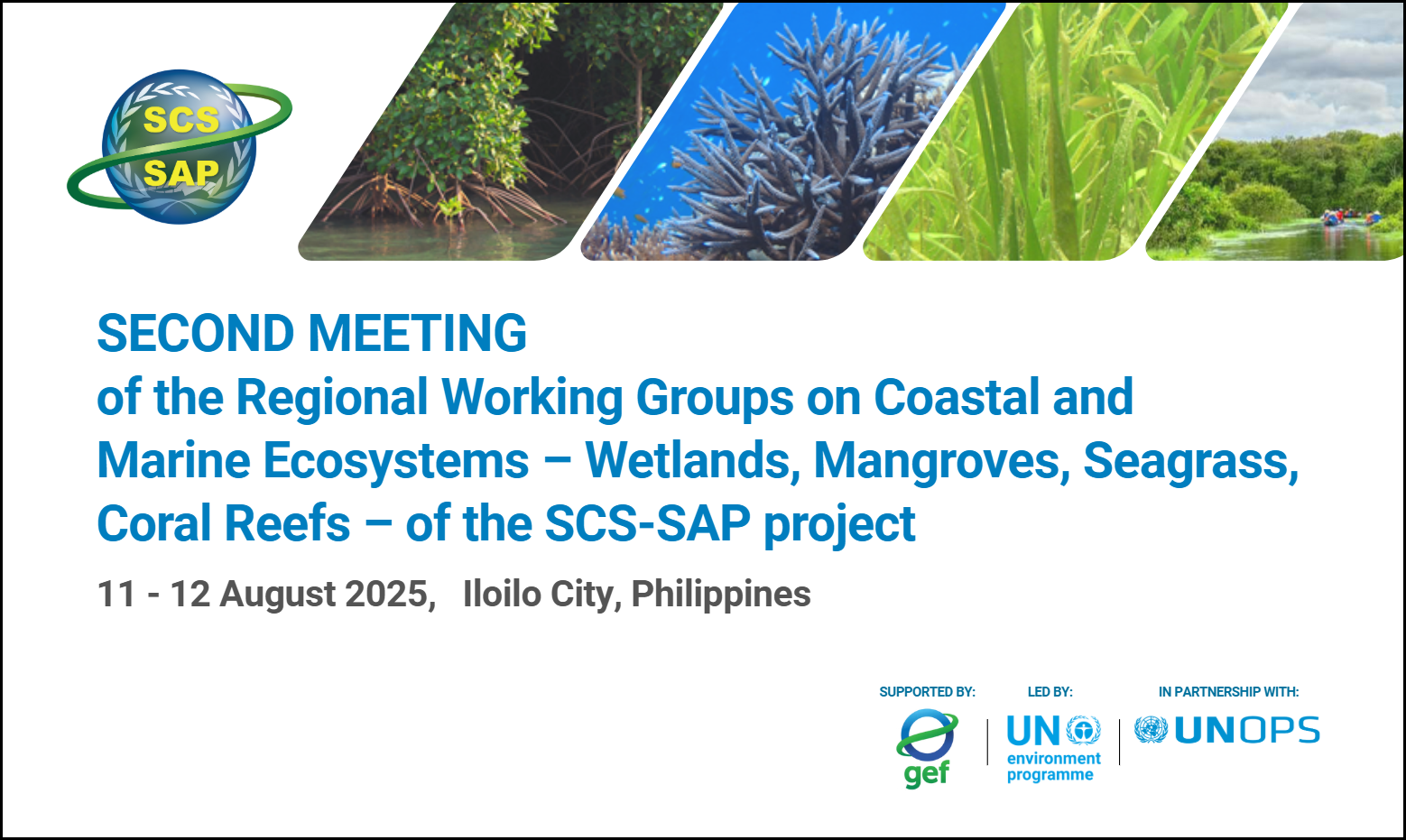
After nearly four years, the SCS SAP Project Regional Working Groups (RWG) on coastal and marine ecosystems, namely Coral Reefs, Mangroves, Seagrass, and Wetlands, is finally moving from virtual meetings to an on-the-ground gathering. Taking place in Iloilo City, Philippines from 11-12 August 2025, this meeting marks a pivotal moment for the project. It is our first in-person gathering for the RWGs since the inaugural virtual meetings in December 2021.
- Details
- Category: News
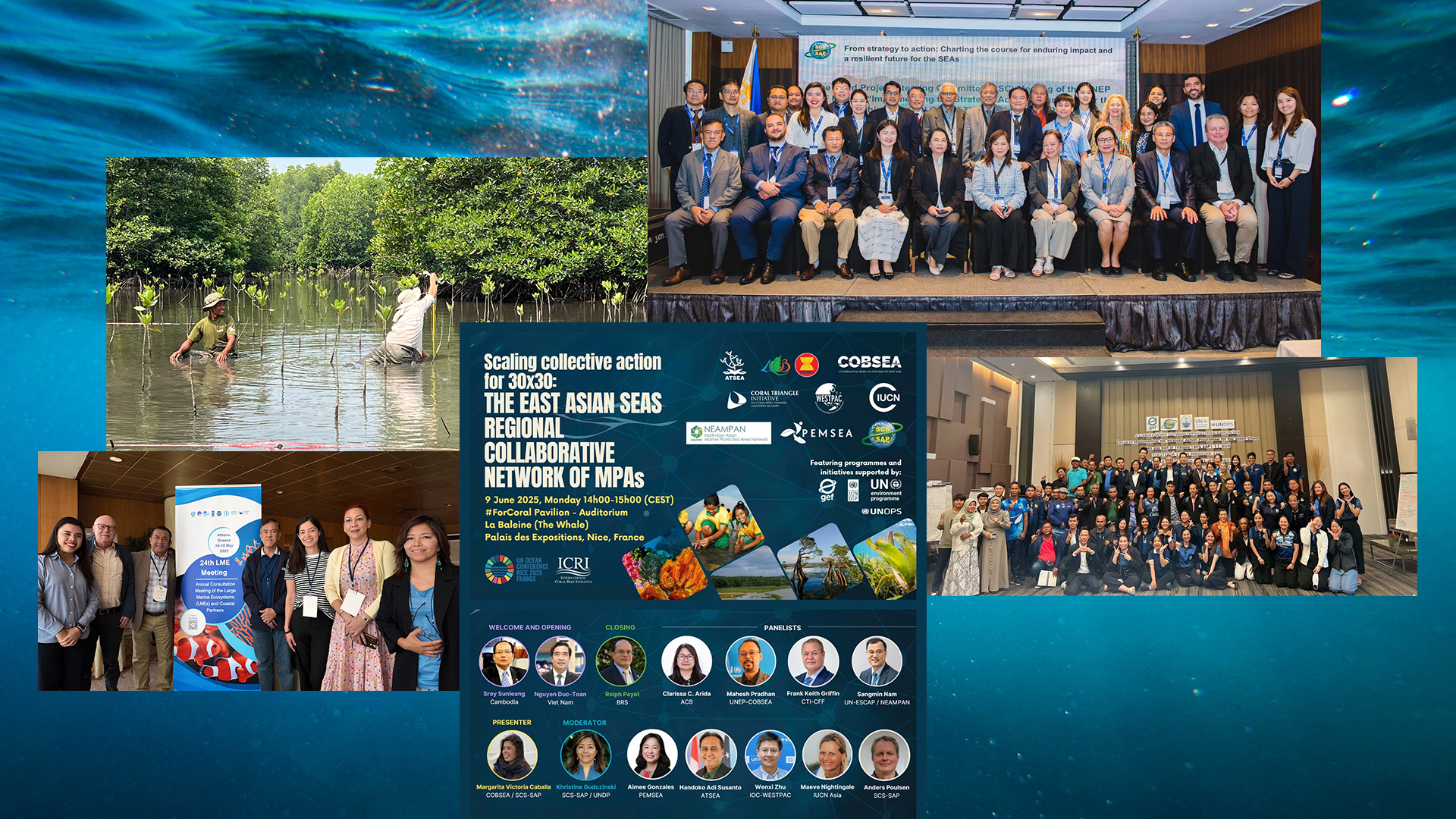 Large Marine Ecosystems (LMEs) are productive ocean areas near continents, crucial for both the environment and coastal economies. Facing threats like pollution, habitat loss, and overexploitation, LMEs require transboundary cooperation. Protecting our global ocean and biodiversity is a top priority for the United Nations, and for UNOPS, especially as the world prepares for the third UN Ocean Conference (UNOC3) in Nice, France, where commitments will be made to #SaveOurOcean. Our regional collaboration under the GEF/UNEP/UNOPS SCS SAP Project directly addresses these challenges in the South China Sea and Gulf of Thailand LMEs through strong regional collaboration and various activities.
- Details
- Category: Videos
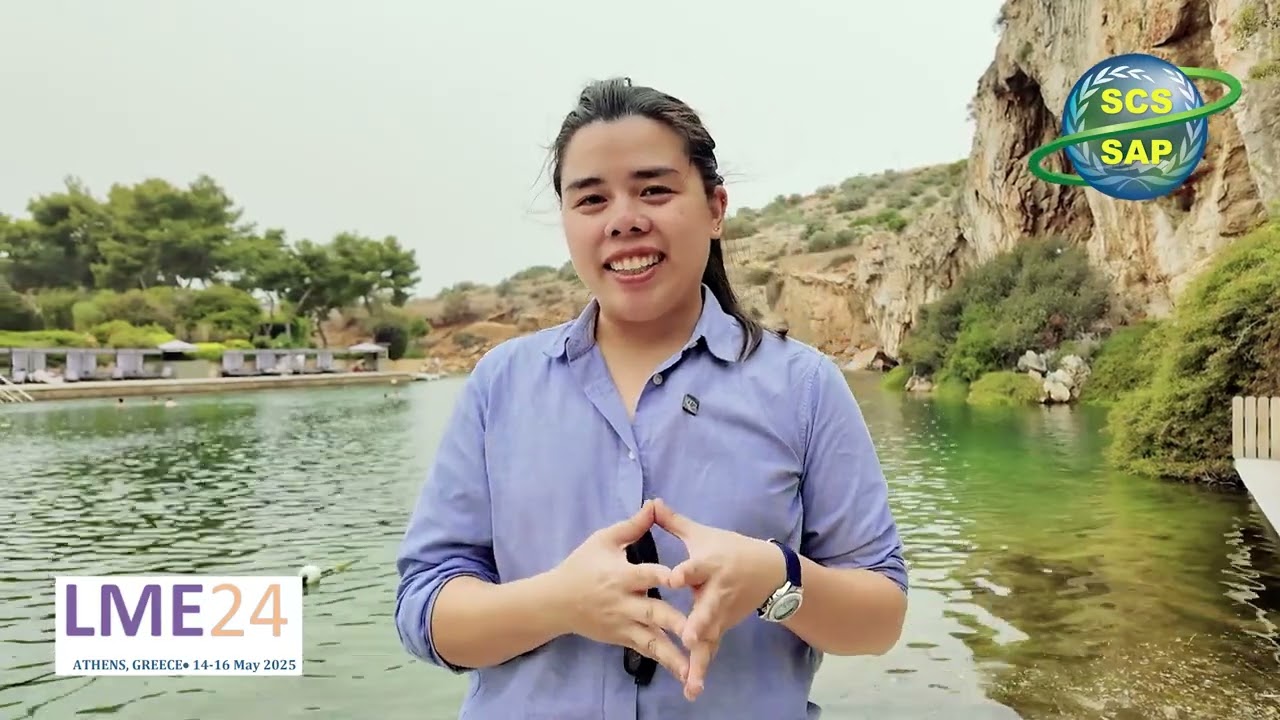
On 14-16 May 2025, the SCS SAP Project, alongside COBSEA joined global leaders and experts managing Large Marine Ecosystems and GEF-funded LME Projects at the 24th Annual LME Meeting in Athens. Organized by GEF IW:LEARN and co-hosted by UNEP/MAP. This 24th annual event provided a vital platform to connect with the broader LME community.
The SCS SAP Project assist countries in meeting the targets of the approved Strategic Action Programme (SAP) for the marine and coastal environment of the South China Sea and Gulf of Thailand through implementation of the National Action Plans in support of the SAP, and strengthening regional co-ordination for South China Sea and Gulf of Thailand SAP implementation
Led By:
In Partnership with:
Supported By: